William G Micke Vineyard
- AVA
- Lodi
- Decade
- 1920s
- Sub-Appellation
- Mokelumne River
- Current Owner
- San Joaquin County Historical Society & Museum
- Location Notes
-
San Joaquin County Historical Society & Museum – 11793 N. Micke Grove Road, Lodi, CA 95240
- Wineries
-
- Historical Producers
-
William G. Micke (sold as Race Track Brand table grapes – 1922 to 1961); LVVR Sparkling Cellars (as of 2025)
- Characteristics
-
Acampo sandy loam; head trained
- Description
-
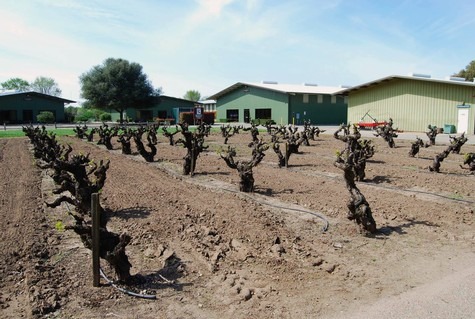
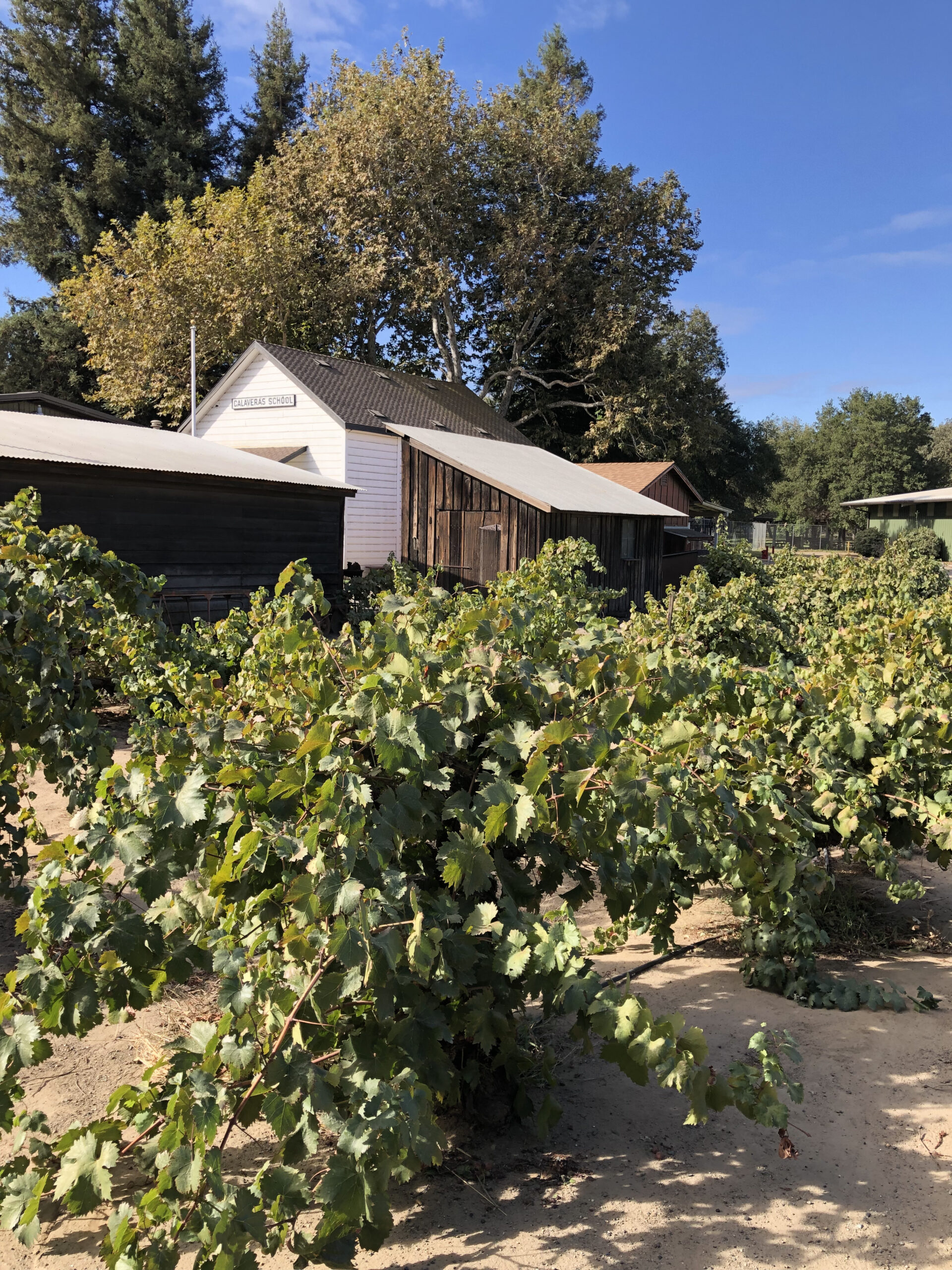
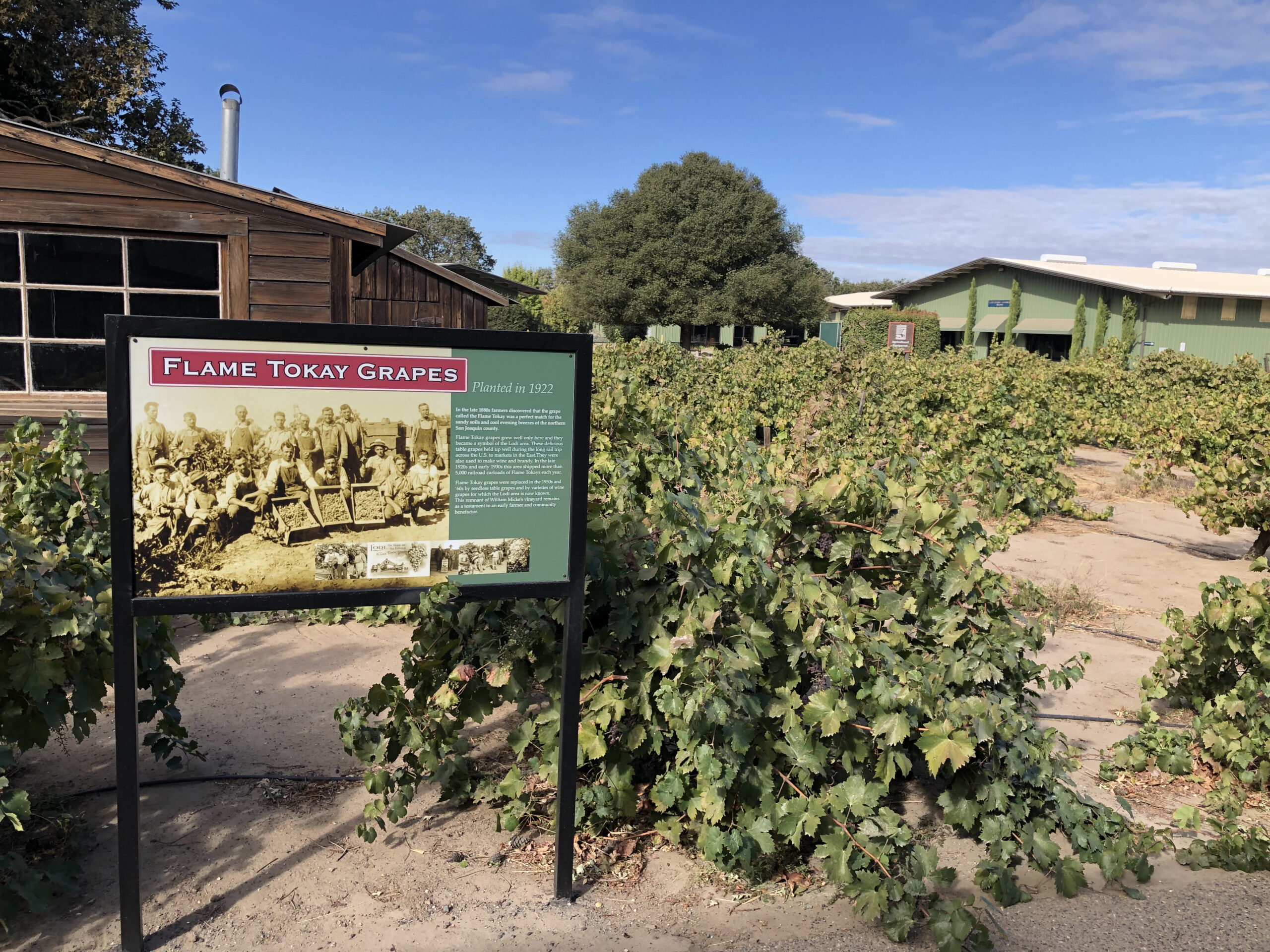
The William G. Micke Vineyard is a small, 0.25-acre plot located on the campus of the San Joaquin County Historical Museum in Micke Grove Park. It is the last known remainder of a 400 acre Flame Tokay vineyard planted by William G. Micke in 1922. Vineyard production was limited to table grapes until 2025 when the San Joaquin County Historical Museum partnered with LVVR Sparkling Cellars of Lodi to produce the first vintage from the vineyard.
- Facts
-
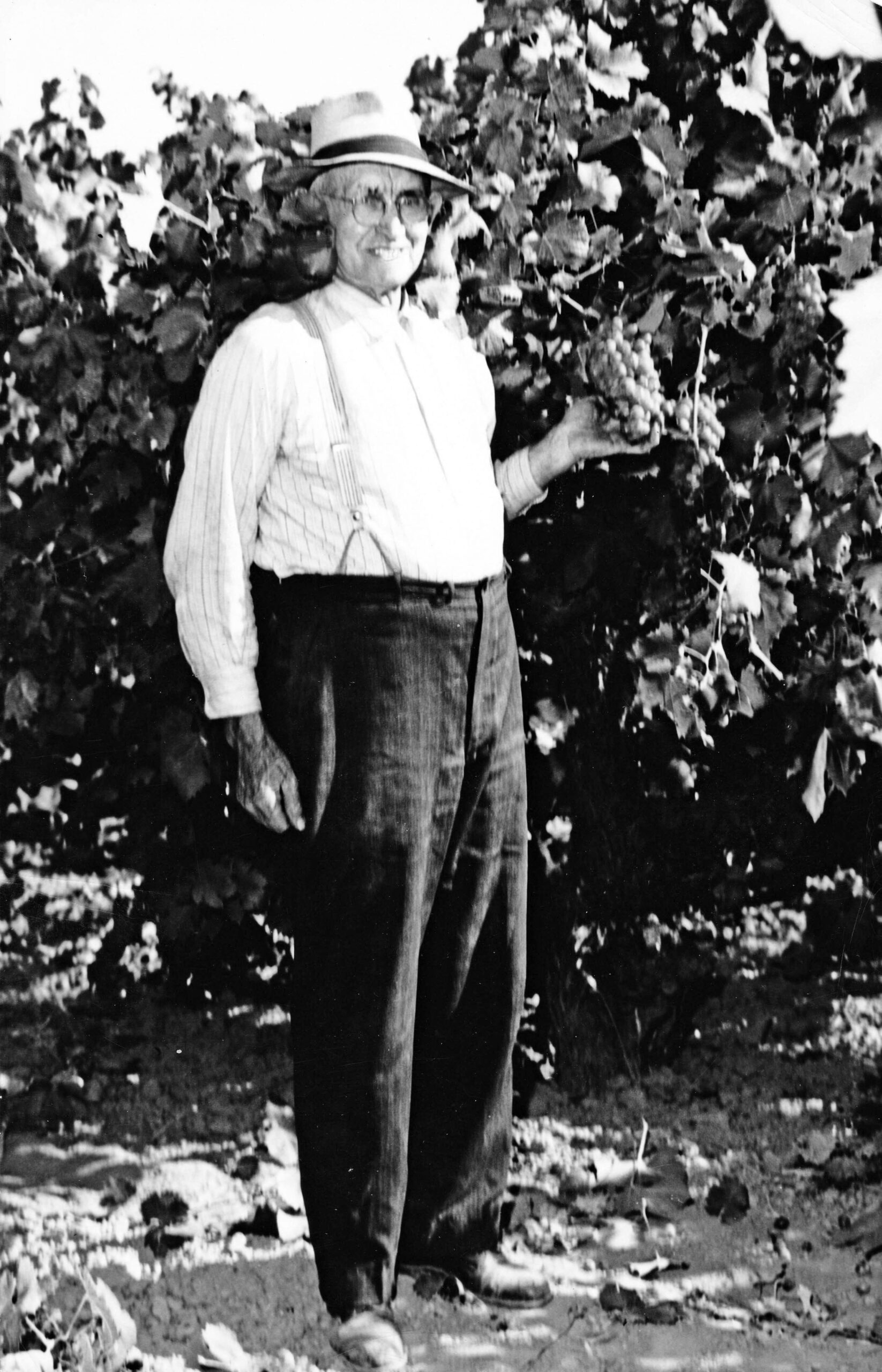
The story of the William G. Micke Vineyard centers on the man who was the cornerstone of Lodi’s agricultural industry and who helped cement Flame Tokay grapes as the foundational crop of northern San Joaquin County for nearly a century.William G. Micke was born in Missouri on August 25, 1874 and grew up working on his family’s farm. In 1902 he moved to Lodi to work in local vineyards after farming in Nebraska and later, in the Sacramento and Florin areas. Micke made a name for himself, and in 1903 he partnered with local businessman John Merrill to purchase the historic fifty-six-acre Race Track Ranch at Cherokee Lane and Lodi Avenue. The ranch was the site of the former Lodi Trotting Park, a “sporting center” with saloons and a racetrack for dogs and horses. Micke and Merrill split the acreage between Tokay grapes and peaches. By 1908, sensing an opportunity to grow, Micke purchased Merrill’s share Micke shipped fresh grapes and dried peaches under the “Race Track” brand, and immediately saw profits from sales in East Coast markets.Between 1918 and 1919 he expanded his ranch to 105 acres, and in 1920 was able to ship 100 carloads of Tokay grapes, at $1,000 per acre. In 1922 he purchased the sixty-year-old Simpson grain ranch south of Lodi along Armstrong Road. It totaled 465 acres, 400 of which Micke planted in Flame Tokay grapes.The remaining sixty-five acres consisted of an oak grove, historically known as Pixley’s Grove. Micke undertook the work of caring for the grove, planting more trees, and turning the site into a major picnic destination for the Lodi and Stockton communities. In 1938, he donated the land and a considerable endowment to the County of San Joaquin, memorializing the site as “Micke Grove Park.” His donation of Micke Grove to San Joaquin County kickstarted the San Joaquin County Regional Parks system, from which we all benefit today.As a philanthropist, Micke was a major contributor to communities and organizations across San Joaquin County. In addition to their donations of land and money to the County, the Mickes were major advocates for improved marketing agreements for Flame Tokay grapes which benefitted growers across the region. They helped finance school construction in Lodi Unified School District and lobbied for improved conditions for farm laborers during the harvest. The couple had no children, and when he passed away on March 3, 1961, Mr. Micke willed the two vineyards surrounding Micke Grove park to the County, allowing for the park to expand. The last known remainder of this Flame Tokay vineyard which Mr. Micke planted in 1922 can be seen on the grounds of San Joaquin County Historical Museum. This small quarter-acre plot constitutes the historic William G. Micke Vineyard.One hundred years on, this remnant of Mr. Micke’s vineyard on the Museum’s campus connects visitors to the past in a tangible way. The vineyard is a living reminder of the hard work, determination, and resolve which hundreds, including Mr. Micke, devoted to making Flame Tokay a symbol of the Lodi region and cementing its status as one the nation’s great wine-growing regions. The San Joaquin County Historical Museum is proud to be the custodian of this important legacy and to be able to share it with the public.—For over 100, Flame Tokay served as the central crop of the Lodi region, earning it the proud honor of being known as the “Tokay Capital of the World.” Though predominately grown as table grapes, Flame Tokay was used by some local producers, namely Guild Winery, to make sweet wines and brandy. From the 1970s to the 1990s, the decreased market for Flame Tokay caused by the popularity of Flame Seedless grapes grown in Central and Southern California led to the demise of most Tokay vineyards in Lodi. Focus shifted to Zinfandel and other vinifera varieties which are more suited to contemporary wine production techniques as well as consumer tastes. However, within the last decade a small minority of local vintners have begun a sort of Flame Tokay “renaissance” and are working to modernize this historic grape for a new generation. Quite literally, these wines are history in a glass. In 2025, the San Joaquin County Historical Museum partnered with one of these producers to create the first vintage from the William G. Micke Vineyard. By doing so, the Museum hopes to more effectively preserve and share the legacy of the Flame Tokay grape, of Lodi, and of William G. Micke himself.For more information on William George Micke and the significance of the Flame Tokay grape in the history of Lodi and San Joaquin County, see “Eternal Flames: The Grapes that Built a Region,” The San Joaquin Historian, Summer 2022.
- Submitted by
- Evan Hust, Director of Business Operations
- Certified